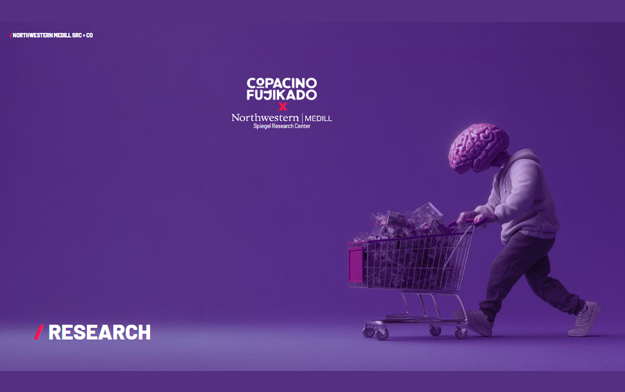
Want to Advertise to Scientists? Study Shows Trust, Transparency, and Education Matter Most
Feb. 24, 2026
If your audience is scientists and people in the research and healthcare communities, you may need to change the way you advertise, a new study reveals.
The report – based on interviews with scientists across medicine, industry, and academic research – shows that traditional high-volume advertising strategies are ineffective for scientific audiences. Instead, they prefer marketing that emphasizes trust, education, and clear evidence over persuasive language or buzzwords.
Andrew Gall, Copacino Fujikado Executive Creative Director said:
“Scientists are trained skeptics. They don’t want to be convinced through hype. They want to see the data, understand the tradeoffs, and trust that a company is being honest with them.”
Ed Hunt, Northwestern University said:
“Scientists operate in highly specialized professional communities, and the products they use often carry direct consequences for research integrity or patient outcomes. This research reinforces that credibility is not built through volume or persuasion, but through transparency, evidence, and long-term engagement.”
“6 Scientists on How They’d Like to Be Advertised To” draws on qualitative interviews with professionals, including physicians, PhD researchers, and medical trainees. The study identifies three recurring themes that consistently influenced participants’ trust in advertised scientific products:
- Relationships and Education
Scientists respond to educational content and sustained relationships through conferences, industry publications, and knowledgeable representatives—not interruption-based ads.
- Practical Problem-Solving and Workflow Fit
Clear demonstrations of how a product saves time, reduces friction, or fits into existing workflows matter more than claims of superiority.
- Credible Language and Verifiable Data
Verifiable data, transparent documentation, and balanced messaging build trust; buzzwords and exaggerated claims quickly erode it.
The findings suggest a need to rethink strategies, especially for companies operating in the highly regulated medical and science industries. Future work will examine how these principles vary across specialties, career stages, and sectors within the life sciences.
This study is the result of Copacino’s and SRC's strategic partnership to bring more rigorous, data-driven insights to the advertising community. The collaboration connects Copacino with SRC faculty, fellows, and students on ongoing consumer research, generating a deeper understanding of consumer behavior.
Related News
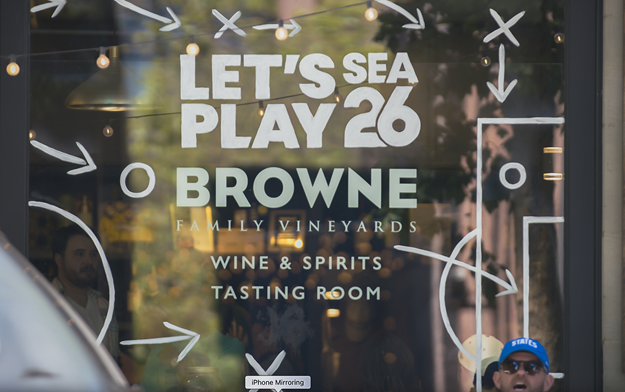
Visit Seattle Launches "Let's Play SEA 26" Citywide Brand
Visit Seattle and Copacino Fujikado created "Let's Play SEA '26," a citywide identity that united the region for the World Cup

Hundreds of Drones Light Up Seattle Skyline with Final Score of City's First FIFA World Cup 2026 Match
World's first same-day aerial scoreboard created by Copacino Fujikado and C+C for Visit Seattle

Seattle Just did Something Even Aliens Couldn't Pull Off
The line runs across the I-90 floating bridge, making it the first light rail system built on a floating bridge anywhere in the world

Latest News
Oct. 16, 2026
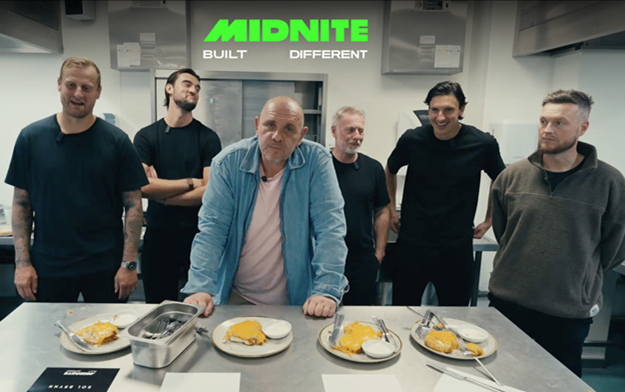
Midnite Serves 1,000 Free Chicken Parmos to Boro Fans This Weekend
Earlier this month, Middlesbrough legends went head-to-head with current first-team players in a Parmo Cooking Challenge
Oct. 16, 2026
Only One in Four UK Adults Recall Live Brand Experiences, but 96% Take Action
Of those who acted, 91% said the experience influenced what they did; product trial was associated with stronger future brand consideration