Tokenisation of Assets: Unlocking Liquidity on the Blockchain
May. 30, 2024
The world of blockchain technology turns faster than most. If you're not reading the news on the subject every day, there's a chance that you may miss word of a game-changing development. The most intriguing evolution of the way blockchain technology has affected the world of business is the tokenisation of real-world assets. At its most basic level, the process involves representing the ownership of tangible assets on a blockchain network. Common assets one might find on the blockchain include real estate and works of art. It's a fast-paced space that involves high risks and higher rewards, so naturally, everyone wants a piece.
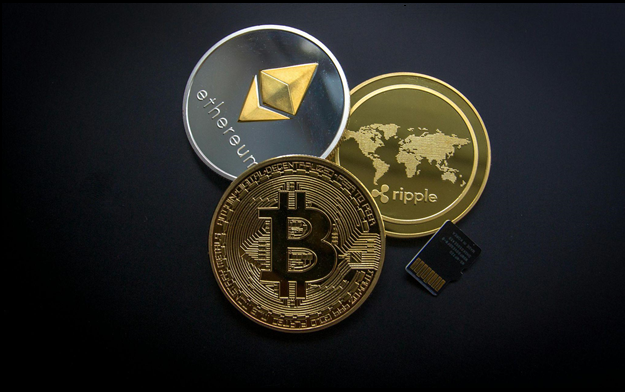
As the Ethereum coin price shows, the values of cryptocurrencies can fluctuate wildly. Its reputation precedes it, but that's actually a factor behind businesses and investors exploring new avenues to leverage the potential of blockchain beyond cryptocurrencies. There are a lot of benefits to turning to a different platform for the sale of assets. The traditional ownership of assets is plagued by challenges, such as high-transaction costs. Tokenisation offers solutions to those problems by fractioning ownership, thus enabling multiple investors to hold stakes in an asset through digital tokens. Then, if they so choose, they can trade the tokens on decentralised exchanges, which will bring unprecedented liquidity to traditionally illiquid markets.
-
Democratising Investment Opportunities
A primary benefits of tokenised assets is the ability to democratise investment opportunities. Think about it. Owning a piece of valuable physical art isn't common. Traditionally, investing in high-value assets like real estate or fine art required substantial capital. Participation was limited to wealthy individuals or institutions; an elite club that required a costly membership fee. With tokenisation, the cover charge is lower. Assets can be divided into smaller, more affordable units, allowing a broader range of investors to diversify portfolios and gain exposure to alternative asset classes.
And tokenisation makes the process more transparent than ever. It enhances transparency and immutability in asset ownership records. Thanks to blockchain's distributed ledger technology, ownership data is record permanently and transparently. This digital record reduces the risk of fraud, disputes, or errors one might associate with traditional record-keeping methods. Knowing this will foster a sense of trust between investors and help engineer more efficient asset transfers and settlements.
-
How The Tokenisation Process Works
Before you can consider tokenisation as an investment opportunity, you need to understand the process. First, the asset needs to be evaluated and valued by independent experts or appraisers. After they assess the value, a corresponding number of tokens are minted on the blockchain platform; each of these represent a fractional ownership stake in the asset. The owners can then sell their tokens to investors via various distribution mechanisms, including initial coin offerings (ICOs) and security token offerings (STOs).
One of the pioneering platforms for tokenised assets is Ethereum, which enables the creation of smart contracts and the issuance of ERC-20 tokens. Other blockchain networks, such as Tezos and Polymath, have also emerged as viable options for asset tokenisation, offering their own unique features and capabilities. Anyone looking to learn more about the tokenisation process should study those platforms closely as many emerging networks are based on these models.
-
Why Tokenisation Hasn't Taken Off Yet
Although the concept of tokenised assets holds immense potential, it's not without challenges, the main one relating specifically to the fact that it's so cutting-edge. Regulatory frameworks surrounding digital asset ownership and trading are still evolving, with varying degrees of clarity and adoption across different jurisdictions, a common issue with emerging technologies. Tokenisation needs to gain legitimacy in financial circles before it can be widely adopted. Consequently, compliance with security laws, know-your-customer (KYC) requirements, and anti-money laundering (AML) regulations will be crucial.
Similarly, there are concerns about the potential for market manipulation or volatility. These mainly come from thinly-traded assets or tokens. The notion may conjure an influencer or two, shamelessly encouraging fans to inflate the price of their investment. In order to ensure fair pricing and orderly trading conditions, proper liquidity and market-making mechanisms need to be established. As blockchain technology matures and regulatory frameworks become more clear, the benefits of tokenisation will outweigh the potential risks and it will receive more mainstream attention.
-
Where We Go From Here
Tokenisation is a transformative concept with the potential to revolutionise the way we own, trade, and invest in assets. It opens up new avenues for investors and asset owners alike by fractioning ownership and increasing transparency. And, much like a fintech desert spring, it introduces liquidity to traditionally illiquid markets.
The journey towards widespread adoption has a lot of road to run yet. Regulatory clarity and robust market infrastructure will be crucial for the successful integration of this innovative approach into mainstream financial systems. Future-facing investors will monitor these developments closely. As the blockchain ecosystem continues evolving, asset ownership is likely to open up to new potential investors. The result could be a more inclusive and democratised landscape than ever before. Five years from now you might even have a stake in a cherished work of art as a part of your investment portfolio.

Latest News

Oct. 09, 2026
Matthieu Elkaim Joins one of France's Most Iconic Production Companies, La Pac
Over the course of his career, he has created campaigns for an extensive roster of iconic brands, from Nike and Mercedes to Ubisoft

Oct. 09, 2026
Sun Valley Hands the Camera to the Mountain Community in Latest "Ski on the Sunny Side" Ad Campaign
The campaign runs from August through April 2027 across video, social, out-of-home, digital banners and email